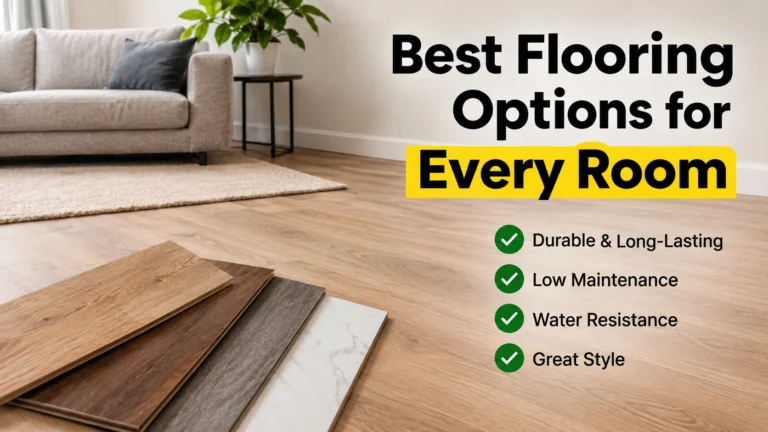


10 Best Flooring Options for Every Room
Choosing a floor is about more than picking a color you like. The right flooring should match how a room is used, how much traffic it receives, and how much moisture or maintenance it may face. A busy kitchen needs different qualities than a quiet bedroom, while a living room often needs a balance of style, comfort, and durability. In this guide, we’ll look at practical flooring choices for different spaces and explain what makes each option worth considering. That way, you can make a confident decision without choosing flooring based on appearance alone.
Choosing the Best Flooring for Your Home

Before choosing any flooring, think about what happens in the room every day. Is it a high-traffic area, a place where spills are common, or somewhere you mainly want comfort? Moisture resistance is especially important in kitchens, bathrooms, laundry areas, and entryways. You should also consider cleaning, scratch resistance, installation, and the expected lifespan of the material. Budget is important, but the lowest-priced option does not always offer the best long-term value. The EPA also recommends paying attention to low-emission flooring and underlayment products because interior materials can affect indoor air quality.
💚 You might also like: Affordable Home Improvement Projects Under $500
Best Flooring Options for the Living Room
The living room is usually one of the most visible spaces in a house, so flooring needs to look good while handling everyday use. Furniture, guests, pets, and regular foot traffic can gradually wear down a surface, which makes durability just as important as style. Hardwood remains a popular choice for its natural appearance and ability to be refinished, while engineered wood offers a similar look with a different construction. Vinyl, laminate, tile, stone, and carpet can also work well depending on your budget and lifestyle. The best choice is the one that fits the room rather than simply following a flooring trend.
Hardwood Flooring
Hardwood gives a living room a warm, timeless appearance that works with traditional and modern interiors. Oak, maple, walnut, and other wood species offer different colors and grain patterns. One major advantage is that solid hardwood can often be refinished when its surface becomes worn. However, it can scratch and does not handle standing moisture well, so spills should be cleaned promptly.
Engineered Wood Flooring
Engineered wood provides the appearance of real wood while using a layered construction designed for greater dimensional stability. It can be a practical choice when you want a wood-look floor without using solid hardwood throughout the room. Its appearance can complement almost any living room design, from simple and modern to warm and traditional. Always check the manufacturer’s specifications before installation.
Luxury Vinyl Flooring
Luxury vinyl is a practical option for households that want attractive flooring with easy upkeep. LVP can imitate the appearance of wood while offering a softer feel than many hard surfaces. It is also highly resistant to water, stains, and everyday wear, making it useful for busy homes. Some vinyl products can be installed with relatively simple methods, although installation requirements vary by product.
Laminate Flooring
Laminate can give your living room the appearance of hardwood or other materials at a generally lower material cost. Its layered construction provides a durable surface for everyday activity, and many products use click-lock systems that simplify installation. However, not every laminate product is waterproof, and damaged boards generally cannot be refinished like solid hardwood. Choose a product rated for the amount of traffic your living room receives.
Porcelain and Ceramic Tile
Tile can create a clean, polished look and is particularly useful when durability and easy cleaning are priorities. Porcelain is dense and highly resistant to moisture, while ceramic offers a wide range of colors, patterns, and finishes. Tile can feel hard and cool underfoot, though area rugs can add warmth and comfort. For a living room, consider texture and slip resistance alongside appearance, especially if the floor may become wet.
Natural Stone Flooring
Natural stone can give a living room a distinctive, high-end appearance because every piece may have its own variation in color and pattern. Options include slate, marble, granite, travertine, and other stones. Stone can be extremely durable, but some varieties need sealing and regular care to protect their finish. It is also a relatively hard surface, so rugs can help make seating areas feel more comfortable.
Carpet Flooring
Carpet remains a strong choice when softness, warmth, and sound control are priorities. It can make a living room feel more comfortable and reduce the echo that hard flooring may create. There are many colors, textures, and pile styles available, making it easy to coordinate with furniture. The trade-off is maintenance: carpet can hold dust and other particles, so regular vacuuming and appropriate cleaning are important. Research also shows that carpet can interact with indoor particles and chemicals, which makes product selection and maintenance worth considering.
Best Flooring for the Kitchen, Bathroom, and Other Rooms
Every room has different flooring needs, so using the same material everywhere is not always the smartest choice. Kitchens need surfaces that can handle spills, stains, and frequent cleaning, while bathrooms need strong moisture resistance and good slip protection. Bedrooms can focus more on warmth and comfort, and hallways need flooring that can handle repeated foot traffic. Basements deserve extra attention because moisture can affect flooring performance over time. The table below gives you a quick starting point for matching each room with a practical flooring option. The final choice should still depend on your home’s conditions, lifestyle, and budget.
| Room | Best Flooring | Main Benefit | Water Resistance | Durability |
| Kitchen | Porcelain Tile | Easy to clean and durable | Excellent | Excellent |
| Bathroom | Porcelain Tile | Handles moisture well | Excellent | Excellent |
| Bedroom | Carpet | Soft and comfortable | Low | Good |
| Dining Room | Hardwood | Warm, attractive appearance | Moderate | Excellent |
| Home Office | Engineered Wood | Professional look and stability | Moderate | Very Good |
| Entryway | Luxury Vinyl | Handles dirt and moisture | Excellent | Excellent |
| Hallway | Hardwood | Strong for regular foot traffic | Moderate | Excellent |
| Basement | Luxury Vinyl | Better suited to moisture-prone spaces | Excellent | Excellent |
| Laundry Room | Porcelain Tile | Resists water and frequent cleaning | Excellent | Excellent |
| Kids’ Room | Luxury Vinyl | Easy to clean and maintain | Excellent | Excellent |
Benefits of Choosing the Right Flooring
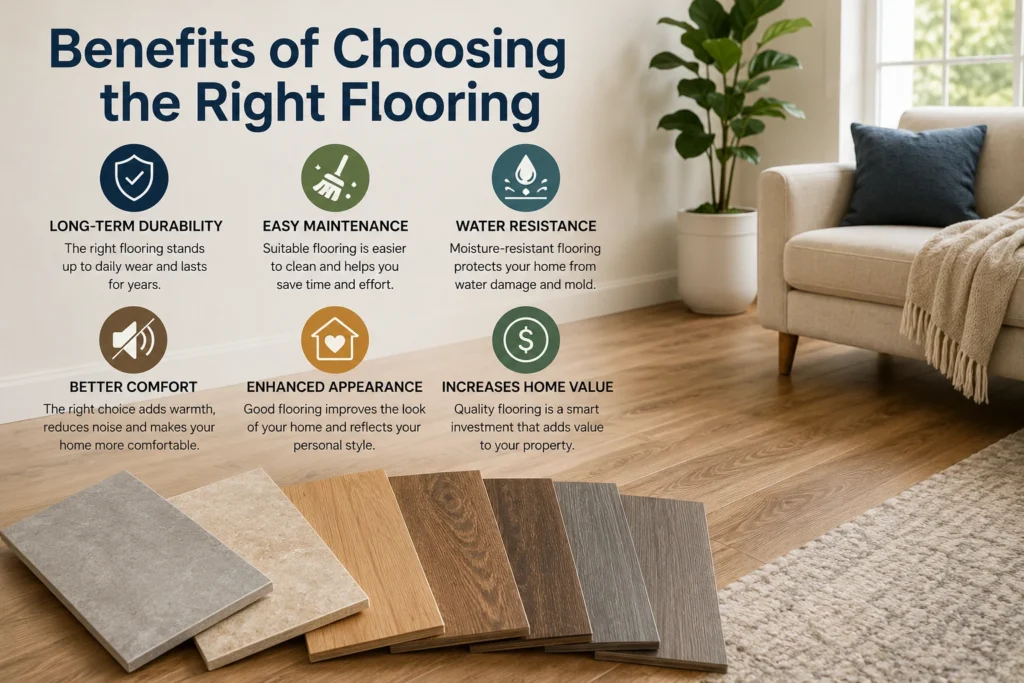
The right flooring can change much more than the appearance of a room. A suitable material can make cleaning easier, reduce maintenance problems, improve comfort, and help the floor withstand everyday wear. For example, water-resistant flooring can be a major advantage in kitchens and laundry rooms, while carpet can make bedrooms and living areas feel warmer and quieter. Choosing correctly can also prevent expensive replacement work caused by moisture, scratches, or unsuitable installation. The EPA specifically recommends addressing moisture before installing flooring because trapped water beneath floor coverings can contribute to damage and mold-related problems.
Another benefit is design consistency. You do not need identical flooring throughout the house to create a connected look. Instead, choose materials that complement each other through similar colors, textures, or tones. This gives each room its own character while keeping the overall home visually balanced.
💚 You might also like: 10 Best Paint Colors for Small Rooms That Feel Bigger
Flooring Costs Compared
Flooring prices can vary widely depending on the material, product quality, room size, installation method, and condition of the subfloor. A low-cost material may also become more expensive if it requires extensive preparation or professional installation. That is why looking only at the price per square foot can give you an incomplete picture. Before making your final choice, think about how long the flooring will last, how much care it needs, how well it handles moisture, and what replacement may cost later. The following comparison gives a general way to think about the relative cost and characteristics of common flooring materials rather than a fixed installation quote.
| Flooring Type | Typical Cost Level | Durability | Maintenance | Best Use |
| Vinyl | Low to Moderate | Very Good | Low | Kitchens, bathrooms, busy rooms |
| Laminate | Low to Moderate | Good | Low | Living rooms, bedrooms |
| Carpet | Low to Moderate | Good | Moderate | Bedrooms, living rooms |
| Ceramic Tile | Moderate | Excellent | Low | Kitchens, bathrooms |
| Porcelain Tile | Moderate to High | Excellent | Low | Wet and high-traffic areas |
| Engineered Wood | Moderate to High | Very Good | Moderate | Living areas, offices |
| Hardwood | High | Excellent | Moderate | Living and dining rooms |
| Natural Stone | High | Excellent | Moderate to High | Entryways, living areas |
How to Choose Flooring for Your Lifestyle and Budget
Your lifestyle should have a major influence on your flooring decision. A home with active children and pets may benefit from durable, easy-clean surfaces, while someone prioritizing comfort may prefer carpet in selected rooms. If you frequently entertain guests, attractive and hard-wearing materials such as hardwood, engineered wood, or quality tile can make sense. Budget-conscious homeowners can consider laminate or vinyl, especially when practicality matters more than premium materials. Also think about how long you expect to stay in the home. Spending more on a durable floor can make sense when you want a finish that performs well for many years rather than replacing an inexpensive floor sooner.
Common Flooring Mistakes to Avoid
Choosing flooring only because it looks attractive is one of the easiest mistakes to make. Every room has different conditions, so a material that works beautifully in a bedroom may perform poorly in a damp bathroom. Ignoring moisture, foot traffic, pets, maintenance, and installation requirements can lead to premature wear or expensive repairs. Another common mistake is focusing only on the material price without considering labor, subfloor preparation, removal of old flooring, and future maintenance. It is also important to check the manufacturer’s installation and care instructions before buying. A little planning can help you avoid replacing a floor sooner than expected.
How to Maintain Your Flooring
Proper maintenance can help almost any flooring look better and perform longer. Start with simple habits such as cleaning spills quickly, using appropriate cleaning products, and placing mats near exterior doors to reduce dirt and grit. Furniture pads can help prevent scratches on harder surfaces, while rugs can protect heavily used areas. Different materials need different care, so avoid using harsh cleaners unless the manufacturer specifically recommends them. Hardwood may require specialized cleaning, while tile often needs attention around grout lines. Carpet benefits from regular vacuuming and periodic deep cleaning. Consistent care is usually much easier and cheaper than dealing with avoidable flooring damage later.
Frequently Asked Questions About Flooring
Which Flooring Works Best Throughout the House?
There is no single best flooring for every home. Luxury vinyl, engineered wood, and tile are versatile options, but the right choice depends on moisture, traffic, comfort, design, and budget.
Which flooring is best for high-traffic areas?
Porcelain tile, luxury vinyl, hardwood, and quality laminate can all work well in busy areas. Choose based on the level of traffic, maintenance needs, and moisture exposure.
What flooring is best for bathrooms?
Porcelain and ceramic tile are popular bathroom choices because they handle moisture well. Waterproof vinyl can also be a practical option when comfort and easy maintenance are priorities.
Is vinyl better than laminate flooring?
It depends on the room. Vinyl generally has an advantage where moisture is a concern, while laminate can provide an attractive wood-look surface for relatively dry areas at a reasonable cost.
What flooring lasts the longest?
Well-maintained hardwood, porcelain tile, natural stone, and other high-quality materials can provide long service lives. Installation quality and regular maintenance also have a major impact on durability.
Conclusion
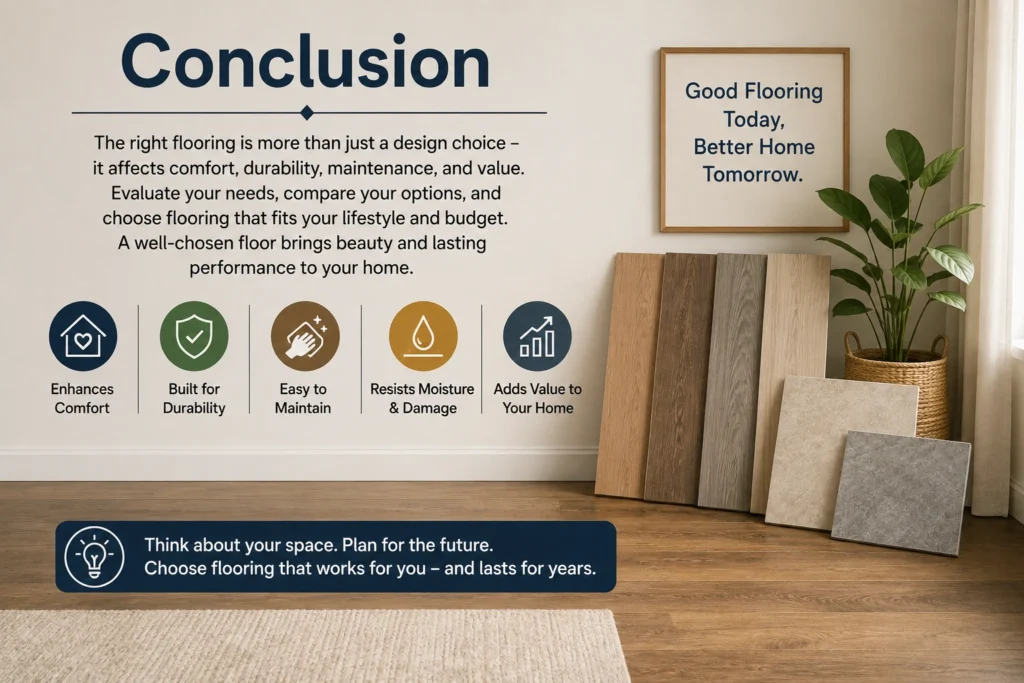
The best flooring is not necessarily the most expensive or the most popular option. It is the material that fits the room, your daily routine, and your long-term budget. Think about moisture, traffic, comfort, cleaning, durability, and appearance before making a decision. Hardwood can bring timeless character to living spaces, tile can handle demanding wet areas, and vinyl can offer a practical balance of water resistance and easy maintenance. When you compare these factors instead of focusing on appearance alone, it becomes much easier to choose flooring that looks good and continues to work well for years.
✨ Want bite-sized tech wisdom? Follow house on stars